

Unexpected Weather on Kilimanjaro is a common part of the climbing experience, with rapid changes from sunshine to rain, wind, or cold temperatures. With proper preparation, the right gear, and experienced guides from Oserok Trips, climbers can safely adapt to changing conditions and enjoy a successful and memorable journey to the summit.
A Practical Survival & Success Guide by Oserok Trips
Mount Kilimanjaro is one of the world’s most iconic trekking destinations, but its weather can be as dramatic as its landscapes. Rising from tropical lowlands to an arctic summit, Kilimanjaro creates its own microclimates, meaning weather conditions can change rapidly and without warning. Sunshine can quickly turn into heavy rain, strong winds, or freezing temperatures—sometimes all in one day.
Understanding how to deal with unexpected weather on Kilimanjaro is essential for safety, comfort, and summit success. At Oserok Trips, we prepare climbers for every possible scenario so that changing weather never stands in the way of a successful and enjoyable climb.
Why Kilimanjaro’s Weather Is So Unpredictable
Kilimanjaro stands at 5,895 meters (19,341 ft) and crosses five distinct climate zones: cultivated farmland, rainforest, heath and moorland, alpine desert, and arctic summit. As you ascend, temperatures drop and weather patterns shift dramatically.
Even during the “best climbing seasons,” unexpected rain, snowfall, or strong winds can occur. This unpredictability makes preparation—not luck—the key to a successful Kilimanjaro climb.
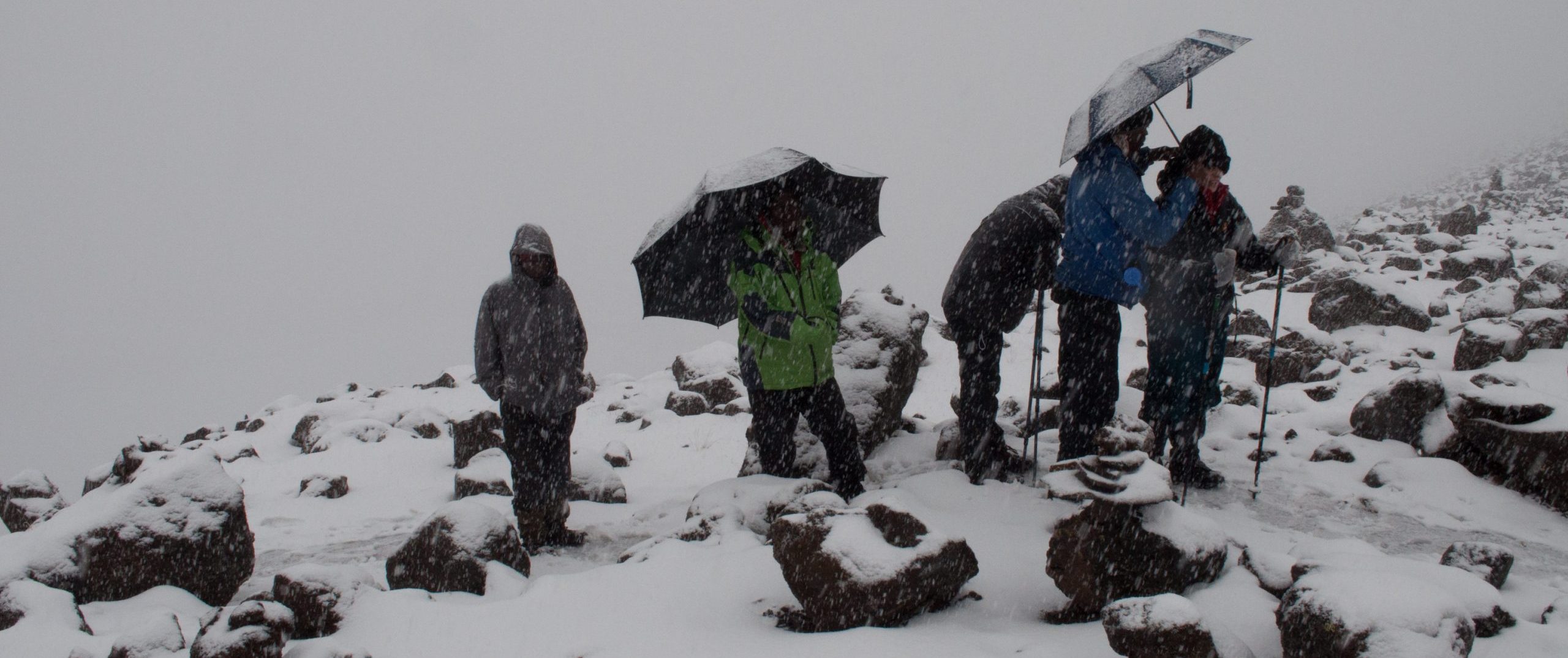
Dress Smart: Layering Is Your Best Defense
Layering is the most effective way to manage sudden weather changes on Kilimanjaro. Rather than relying on one heavy jacket, climbers should wear multiple layers that can be added or removed throughout the day.
A proper layering system includes:
-
A moisture-wicking base layer to keep sweat off your skin
-
An insulating mid-layer (such as fleece or down) to retain warmth
-
A waterproof and windproof outer shell to protect against rain, snow, and wind
At Oserok Trips, we provide all clients with a detailed packing list and pre-climb guidance to ensure every climber is properly equipped before setting foot on the mountain.
Be Prepared for Rain—Even in the Dry Season
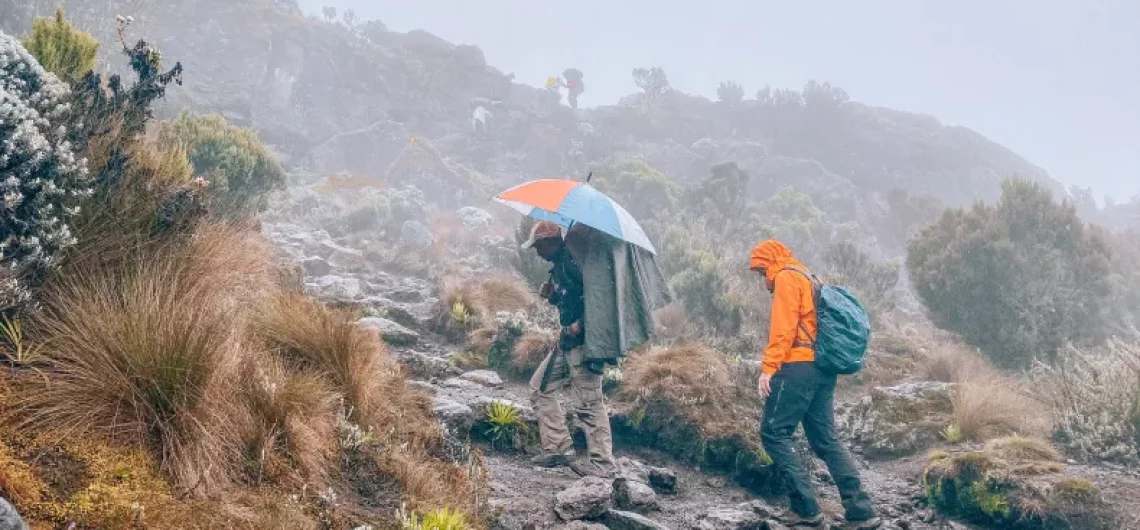
Rain is most common in the rainforest zone, but it can occur at any altitude. Wet conditions can make trails muddy, cold, and slippery, increasing fatigue if you’re not prepared.
To stay comfortable and safe:
-
Carry a high-quality rain jacket and rain pants
-
Use a waterproof backpack cover
-
Pack gear in dry bags or plastic liners
-
Wear quick-drying trekking clothes
Unexpected rain doesn’t have to ruin your climb if you’re well prepared and properly dressed.
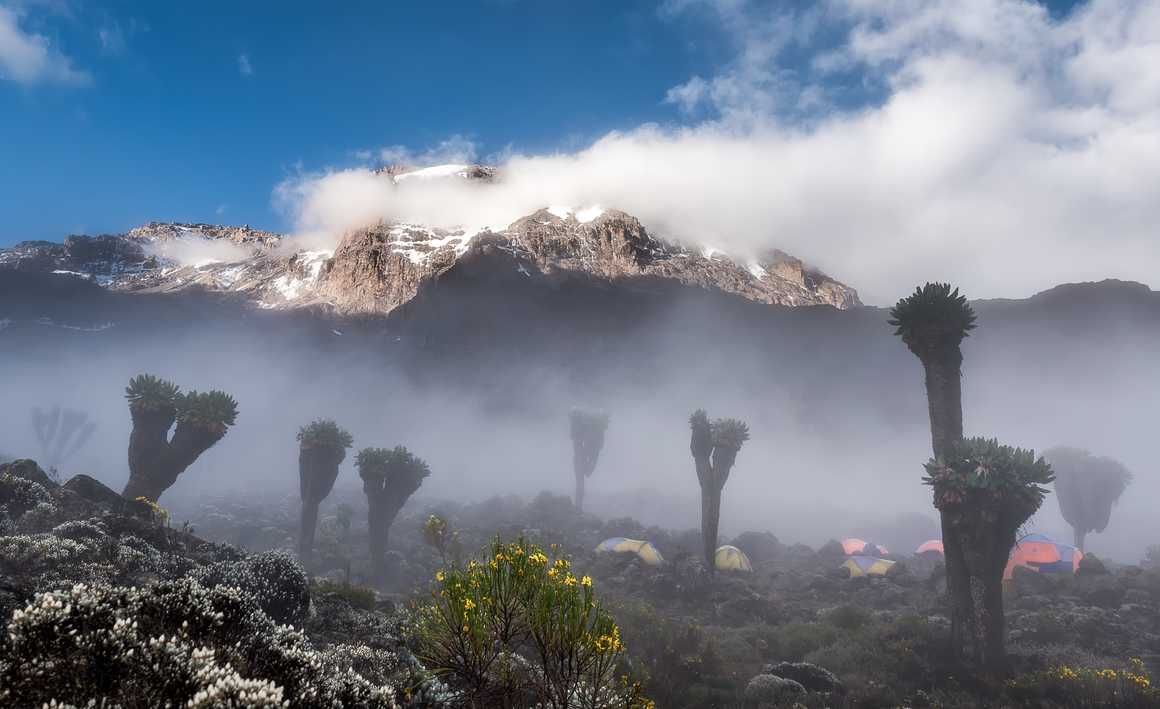
Cold, Wind, and Snow at High Altitude
As you approach the alpine desert and summit zone, temperatures can drop well below freezing—especially at night and during summit push. Strong winds and occasional snowfall are common near Uhuru Peak.
To manage cold weather effectively:
-
Wear insulated gloves, thermal socks, and a warm hat
-
Protect exposed skin with a balaclava or neck gaiter
-
Keep moving steadily to maintain body heat
-
Drink warm fluids regularly to prevent cold-related fatigue
Oserok Trips’ experienced guides closely monitor weather conditions and adjust pacing, rest stops, and timing to keep climbers safe and warm.
Trust Your Guides and Follow Their Advice
Local knowledge is one of the most important tools for dealing with unexpected weather on Kilimanjaro. Oserok Trips’ guides are certified, highly experienced, and trained in mountain safety, weather assessment, and altitude management.
If conditions worsen, guides may:
-
Adjust daily trekking times
-
Modify rest schedules
-
Delay or advance summit attempts
-
Recommend turning back for safety reasons
Listening to your guide isn’t a setback—it’s a professional decision that prioritizes your health and long-term well-being.
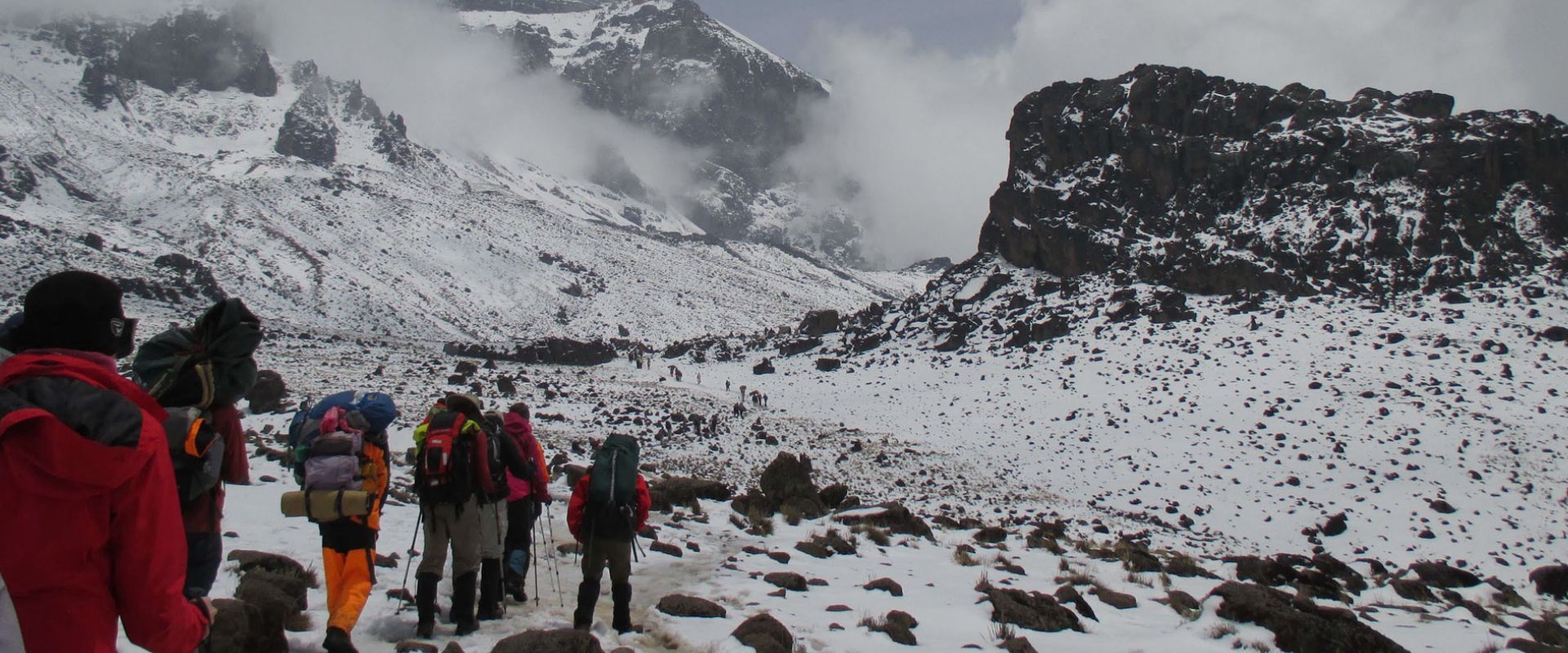
Mental Preparedness: Stay Flexible and Positive
Unexpected weather can test your mental strength as much as your physical endurance. Foggy views, rain, or cold nights may feel discouraging, but Kilimanjaro is about the journey, not just the summit.
Staying mentally prepared means:
-
Accepting that weather is part of the adventure
-
Staying focused on steady progress rather than conditions
-
Trusting your preparation and support team
Many climbers say overcoming tough weather makes reaching the summit even more rewarding.
Choose the Right Route and Itinerary
Some Kilimanjaro routes handle bad weather better than others. Routes with longer itineraries allow for better acclimatization and flexibility if conditions change.
At Oserok Trips, we often recommend:
-
Lemosho Route – scenic, gradual ascent, adaptable to weather
-
Northern Circuit – longest route with excellent acclimatization
-
Machame Route – popular and scenic, but requires good preparation in wet conditions
Our team helps you choose the best route based on season, fitness level, and weather considerations.
Why Climb Kilimanjaro with Oserok Trips?
Dealing with unpredictable weather on Kilimanjaro requires more than good gear—it requires expert planning and support. With Oserok Trips, you benefit from:
-
Experienced local mountain guides
-
Weather-aware itineraries and flexible schedules
-
Thorough pre-climb preparation and packing guidance
-
Safety-focused decision-making at every stage
We don’t just guide you to the summit—we guide you safely through every challenge the mountain presents.
Final Thoughts
Unexpected weather on Kilimanjaro is not a reason to fear the climb—it’s a reason to prepare properly and choose the right team. With the right mindset, equipment, and expert guidance from Oserok Trips, you can face Kilimanjaro’s changing weather with confidence and determination.
Your journey to the Roof of Africa starts with preparation—and we’re here to guide you every step of the way.


